#19 Favorite
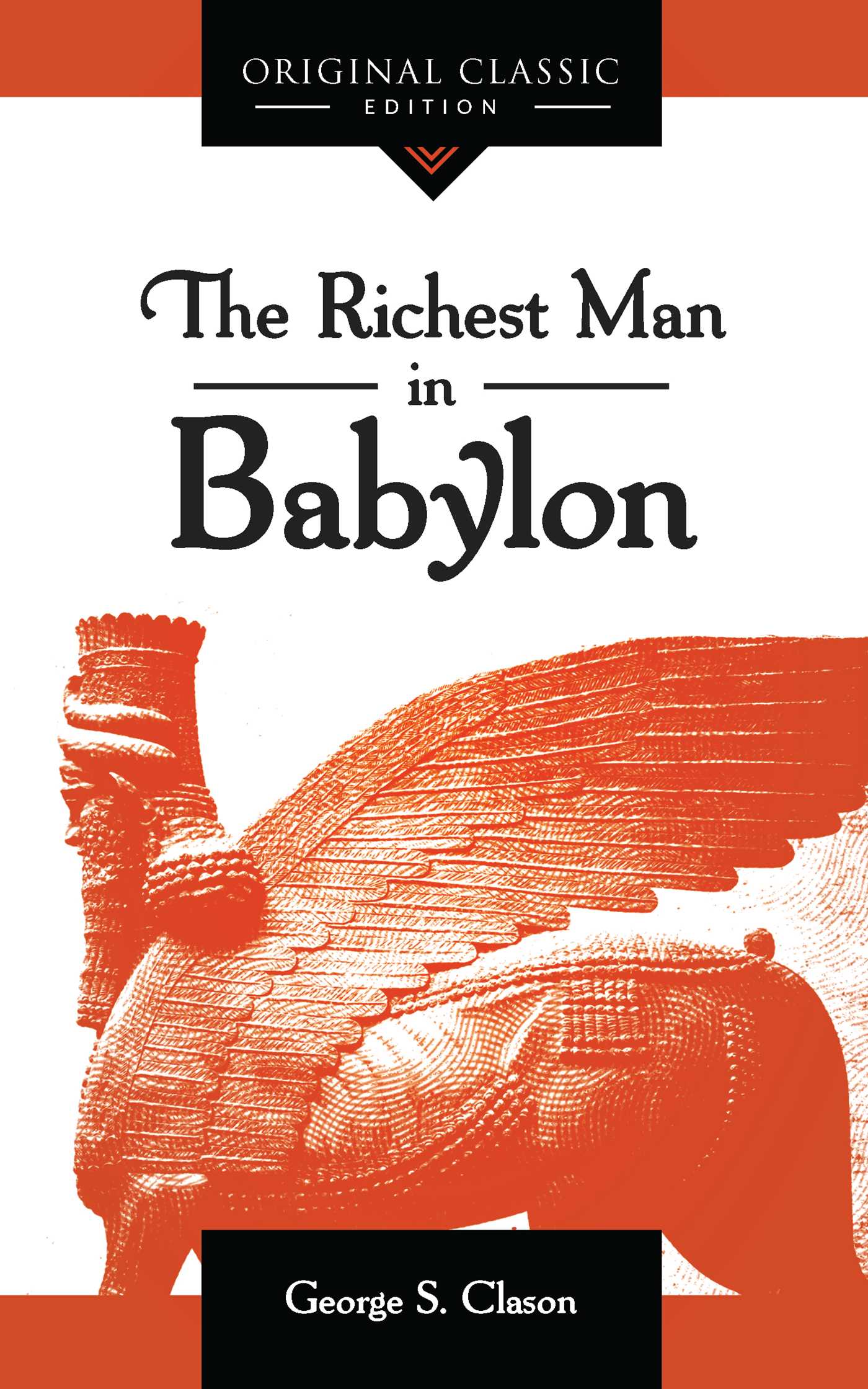
The Richest Man in Babylon
The Richest Man in Babylon by George Clason is the kind of book that almost everyone should read once, especially if you have never been taught the basics of personal finance. It was written in 1926, and the way it teaches is genuinely clever. Instead of laying out financial advice as rules or formulas, Clason tells a series of parables set in ancient Babylon, where wealthy men explain to apprentices how they built and protected their fortunes. The structure is a little corny in places (everyone talks in a vaguely Old Testament cadence), but the lessons land in a way that lectures never could.
One parable that has stuck with me for years is the one about not investing your jewels with a man who lays bricks. The idea is that you should not take financial advice or hand over capital to someone outside their domain of expertise, no matter how confident or persuasive they are. A bricklayer might be a fantastic bricklayer, but he is not the person you want picking out gems for you. The same logic applies today. Do not take stock tips from your cousin who works in IT, and do not let a charismatic friend talk you into a real estate deal he has never done before. Find people who actually know what they are doing in the specific thing you are trying to do.
Another idea from the book that I think more people need to internalize is that wealth is mostly about mindset and education, not about how much money you happen to have right now. There are plenty of people earning six figures who are one bad month away from financial collapse, and plenty of people on modest incomes who have quietly built real wealth through patience and discipline. The book makes this point over and over in different ways. Pay yourself first, live below your means, make your money work for you, and avoid debt for things that lose value. None of it is revolutionary, but most of it is genuinely not taught anywhere, which is sadly why people keep learning it the hard way.
Plenty of people will tell you money does not really matter. I half agree with this. I do not actually care whether I drive a fancy sports car or a reliable Subaru. Most of the stuff that money buys is genuinely disappointing. But one thing that money does buy you, when you build it over time, is something that does matter a lot. It buys you autonomy. It buys you the ability to leave a job that is making you miserable, the freedom to pursue interests that may not be lucrative, and peace of mind that if something goes wrong, you have a plan.
There is a psychological concept called locus of control, developed by Julian Rotter in the 1950s and 60s. People with an internal locus of control believe their own personal decisions and actions shape their outcomes in life. People with an external locus of control believe outcomes are mostly driven by fate, luck, or other people. Decades of research show that an internal locus of control is consistently linked to better health, lower stress, faster recovery from illness, and greater overall wellbeing. People who believe they can change their lives actually live better lives, in part because they actually try to change them. I think this is the real reason building wealth matters, and why people should actually want to. Wealth and internal locus of control feed each other in a positive feedback loop. People with internal locus are more likely to save, invest, and build wealth in the first place, because they believe their actions will pay off. And once they have built that wealth, it reinforces and deepens the internal locus, because now the autonomy is real. You can quit the job that is grinding you down. You can take six months off to figure out what you actually want to prioritize in life. You can say no to a bad client, a bad relationship, or a bad opportunity, because you do not need it. Every time you exercise that autonomy, you are reminding yourself that your decisions actually shape your life, which is exactly what an internal locus is. The data says wealthy people live longer, and certainly a big part of that is having better access to healthcare and good living conditions. But I believe an even bigger reason why wealthy people live longer is having the sense of being in charge of your own life, which research suggests is one of the most powerful health interventions there is.
If you have never read a book on personal finance, start with this one. It is short, easy to read, and contains almost everything you actually need to know about building wealth, stripped of jargon. The advice has held up for a hundred years because it is built on principles that do not really change. You will not learn how to pick stocks or time the market from this book, which is exactly the point. You will learn the boring, repeatable habits that actually make people wealthy over time. Stick with them long enough and you will not just have more money. You will have more control over your own life, which turns out to be the thing that mattered all along.